Hortus Viridis
Gardening Journal
Your Jobs for October
01
Leaf Clearing & Composting
Keep lawns and paths clear of leaves and turn them into free compost or leaf mould to improve the soil in spring.
02
Bulb Planting
Plant spring-flowering bulbs such as Fritillaria imperialis, daffodils, crocuses and tulips while the soil is still workable.
03
Hedge & Rose Pruning
Give deciduous hedges their final tidy of the year and prune climbing or rambling roses before winter.
04
Planting & Border Preparation
Plant new trees, shrubs and perennials, when the soil is still warm, while mulching and preparing beds for winter.
05
Refreshing Tired Containers
Feed and water pots weekly, remove spent plants and replace them with fresh late-summer performers to keep displays looking their best.
06
Lawn Autumn Care
Scarify, aerate, fertilise and repair your lawn where needed - to improve its condition going into winter.
Hortus Viridis Advice Articles
🌿 The Best Plants for Clay Soil in Beaconsfield & the Chilterns
🌿 Is Hiring a Garden Designer Worth It?
🌿 How to Create a Beautiful Low-Maintenance Garden Without Losing Seasonal Colour
🌿 Why Most Garden Borders Look Good in May...and Terrible in August
🌿 The Best White Flowering Plants for Elegant Formal Gardens
🌿 The Biggest Planting Mistakes I See in south Buckinghamshire Gardens
🌿 How Long Does It Take to Design and Build a Garden?
🌿 What is Mulch and why is it Essential for a Beautiful, Healthy Garden?
🌿 10 Fabulous Perennials and Trees that Cope Well in Dry Summers and Wet Winters
🌿 Why Planting Should Shape Garden Design – Not Be an Afterthought
🌿 How a Professional Planting Designer Elevates Your Garden
The Best Plants for Clay Soil in Beaconsfield & the Chilterns
Heavy clay soil is one of the most common gardening challenges across Beaconsfield, the Chilterns and much of Buckinghamshire. While it can become sticky in winter and hard during dry summers, clay is naturally rich in nutrients and can support an exceptionally beautiful garden when planted correctly. At Hortus Viridis, we believe successful garden design starts by working with your soil rather than against it.
Many outstanding trees, shrubs and perennials thrive in heavy clay. Amelanchier lamarckii provides elegant spring blossom and spectacular autumn colour, while Sambucus nigra 'Black Lace' and Viburnum opulus add year-round structure and wildlife value. For long-lasting seasonal colour, reliable performers such as hardy Geraniums, Persicaria amplexicaulis, and autumn-flowering Asters flourish in moisture-retentive soils. Ornamental grasses including Miscanthus sinensis and shade-loving ferns like Polystichum setiferum bring texture and interest throughout the year.
Planting technique is equally important. Loosen the sides of planting holes to encourage root growth, raise plants slightly where drainage is poor, and apply generous annual mulches of organic matter to gradually improve soil structure. These simple steps help plants establish quickly and remain healthy for years to come.
Choosing plants suited to local conditions creates gardens that require less maintenance, cope better with changing weather, and deliver colour and interest in every season. As Beth Chatto extolled...'right plant, right place!'
If you're looking for expert advice on plants for clay soil in Beaconsfield or the Chilterns, Hortus Viridis can create a bespoke planting scheme tailored to your garden, soil conditions and lifestyle, helping you enjoy a resilient, beautiful landscape that continues to thrive.

Is Hiring a Garden Designer Worth It?
If you're planning to transform your outdoor space, you may be asking yourself, "Is hiring a garden designer worth it?" For most homeowners, the answer is a resounding yes. A professionally designed garden is more than just an attractive outdoor space—it is an investment that enhances your lifestyle, increases your property's appeal, and creates lasting value.
At Hortus Viridis, we believe every successful garden begins with a thoughtful design that reflects both the character of your home and the way you want to use your garden.
A Garden Designed Around You
One of the greatest benefits of hiring a professional garden designer is that your garden is tailored specifically to your needs. Whether you dream of a peaceful retreat, an elegant entertaining space, a wildlife-friendly haven, or a low-maintenance family garden, a bespoke design ensures every square metre has a purpose.
Rather than relying on guesswork or following generic online inspiration, a garden designer considers your lifestyle, budget, maintenance preferences, and long-term goals to create a cohesive, practical design that works for years to come.
Avoid Costly Mistakes
Many homeowners spend thousands of pounds replacing unsuitable plants, relocating patios, or correcting drainage problems that could have been avoided with proper planning.
A professional garden designer considers important factors such as soil type, sunlight, drainage, existing trees, levels, privacy and future plant growth before work begins. Investing in good design often saves money by preventing expensive mistakes and ensuring every element works together from the outset.
Better Planting, Better Results
Choosing the right plants is about far more than selecting what looks attractive at the garden centre.
At Hortus Viridis, planting schemes are carefully designed to suit your local conditions, whether your garden has heavy clay, free-draining chalk, full sun or deep shade. We combine colour, texture, structure and seasonal interest to create gardens that look beautiful throughout the year while supporting biodiversity and local wildlife.
The result is a healthier, more resilient garden that requires less intervention as it matures.
Increase Your Property's Appeal
A beautifully designed garden is often viewed as an extension of the home. Well-planned outdoor spaces can significantly improve kerb appeal and make a property more desirable to prospective buyers.
Even if you have no immediate plans to move, investing in your garden increases the enjoyment you get from your home every day. Many clients tell us they spend far more time outdoors once their garden has been professionally redesigned.
Expert Knowledge Gives You Confidence
Garden design combines creativity with horticultural expertise. From selecting durable materials and designing practical layouts to choosing plants that thrive in the local climate, professional advice helps ensure your investment delivers lasting results.
A good designer also helps you prioritise spending, develop a phased implementation plan if required, and coordinate the various elements of your project so everything works together seamlessly.
So, Is It Worth Hiring a Garden Designer?
For most homeowners, absolutely.
A professionally designed garden saves time, avoids costly errors, creates a more enjoyable outdoor space and adds long-term value to your property. Most importantly, it gives you confidence that your investment is built on expert knowledge rather than trial and error.
If you're considering a new garden or planting scheme in Beaconsfield, Amersham, Gerrards Cross, The Chalfonts, Marlow or the wider Chilterns, Hortus Viridis offers bespoke garden design and planting services that combine beautiful design with practical horticultural expertise. Together, we can create a garden that is not only stunning today, but one that continues to flourish for many years to come.
How to Create a Beautiful Low-Maintenance Garden Without Losing Seasonal Colour
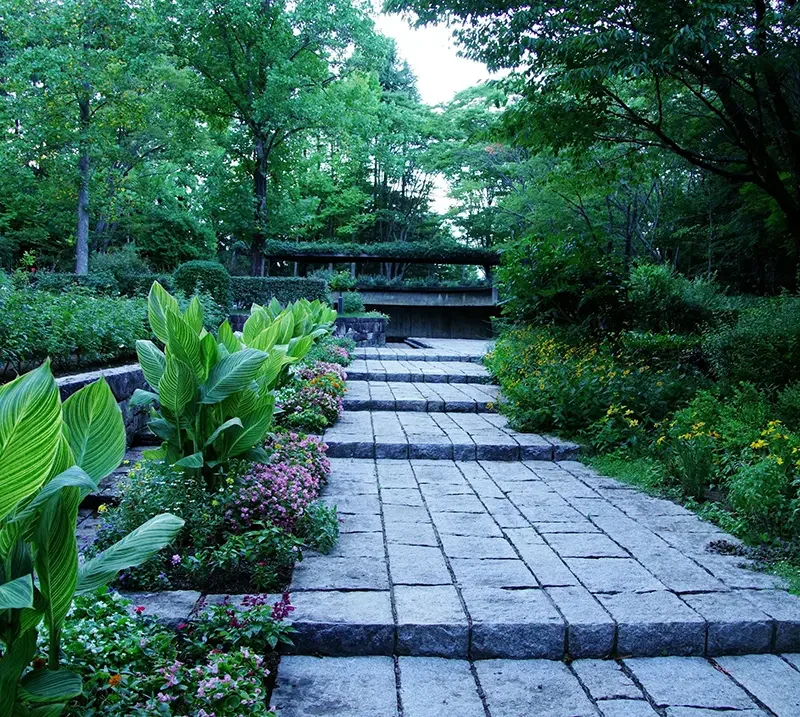
Many homeowners believe that creating a low-maintenance garden means accepting a garden with little colour or character. Fortunately, the opposite is true. With thoughtful garden design and carefully selected plants, you can enjoy a vibrant, beautiful garden throughout the year without spending hours maintaining it.
At Hortus Viridis, we design gardens that balance beauty with practicality. The secret lies in choosing plants that thrive in your local soil and climate, combining long-flowering perennials, reliable shrubs, ornamental grasses and evergreen structure to provide colour and interest across every season.
Instead of relying on high-maintenance bedding displays, we favour resilient plants that return year after year. Hardy geraniums, salvias, nepetas, hellebores and ornamental grasses provide months of colour while requiring little more than a good tidy up each year. Evergreen shrubs and carefully positioned small trees add structure during winter, ensuring the garden remains attractive even when many perennials have died back.
Good garden design also reduces maintenance. Well-defined borders, generous mulching, efficient irrigation systems, and planting at the correct density help suppress weeds, retain moisture and minimise ongoing work. It was drummed into me whilst studying for my RHS level 2 certificate in the principles of plant growth and development that selecting the 'right plant for the right place' is key. This delivers healthier plants, which naturally require less watering, feeding and pruning.
The result is a garden that looks beautiful in spring, summer, autumn and winter while fitting around your lifestyle rather than demanding your time.
If you're looking to create a low-maintenance garden in Beaconsfield, Amersham, Gerrards Cross, The Chalfonts or the wider Chilterns, Hortus Viridis can design a bespoke planting scheme that delivers year-round colour, whilst supporting local wildlife.
Why Most Garden Borders Look Good in May...and Terrible in August
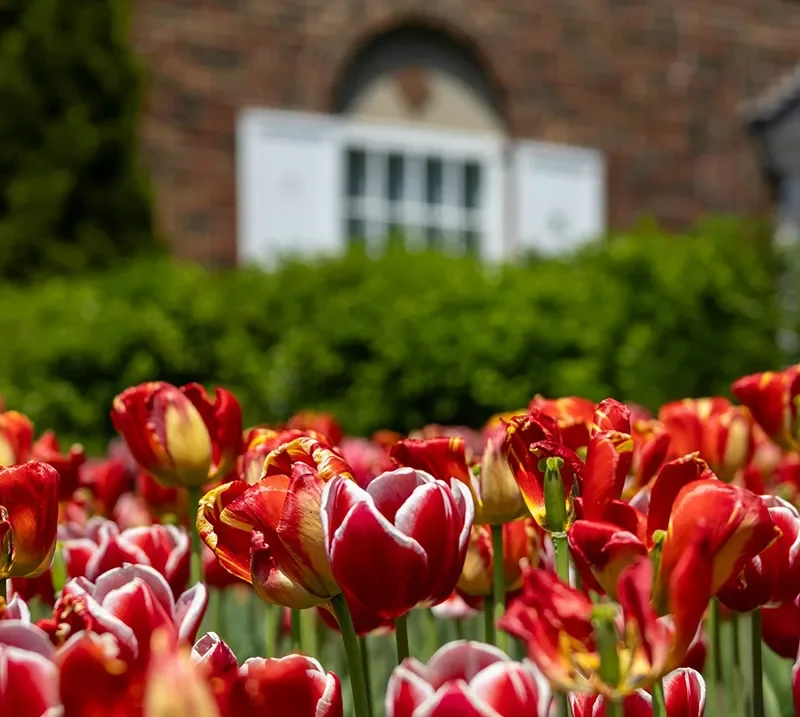
Ever wonder why your garden border transforms from a lush paradise in May to a dry, messy jungle by August? You are not alone. This common gardening frustration comes down to two major factors: plant selection and seasonal maintenance.
In May, spring perennials and bulbs peak simultaneously. Fresh foliage hides bare soil, temperatures are mild, and soil moisture is high. Plants naturally thrive with minimal effort.
By August, the narrative changes. Intense summer heat, drought, and pests stress your plants. Early bloomers fade, leaving behind deadheaded stalks and yellowing leaves. Without proper planning, your border loses its structure and colour.
To fix a disappointing August border, you must bridge the seasonal gap:
- Plant late-bloomers: Incorporate Echinacea, Rudbeckia, and ornamental grasses.
- Layer your planting: Combine spring bulbs with late-summer perennials.
- Mulch heavily: Retain vital soil moisture during peak summer heat.
- Deadhead regularly: Stimulate fresh, secondary flushes of flowers.
Let Hortus Viridis help transform your garden from a single-season wonder into a year-round masterpiece. By choosing plants together that peak at different times, you can enjoy a vibrant, resilient border from spring through to the first autumn frost.

The Best White Flowering Plants for Elegant Formal Gardens
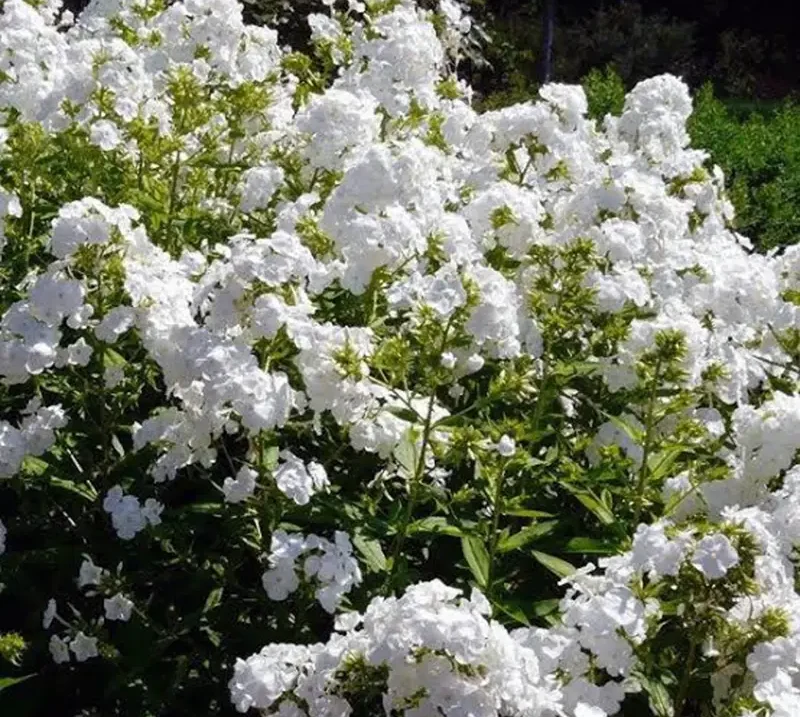
Nothing evokes timeless elegance quite like a white garden. Whether used to create a classic formal border or a contemporary outdoor space, white-flowering plants bring light, sophistication and a sense of calm throughout the seasons. At Hortus Viridis, we quite often recommend white planting schemes for gardens across Beaconsfield, Amersham, Gerrards Cross and the Chilterns, where they beautifully complement both traditional architecture and modern homes.
The key to a successful formal garden is combining structure with long-lasting seasonal interest. Evergreen shrubs such as Buxus alternatives, including Ilex crenata and Lonicera nitida, provide crisp framework planting, while elegant perennials like Astrantia major 'Alba', Geranium 'Kashmir White', Oenothera lindheimeri, Anemone × hybrida 'Honorine Jobert', and Phlox paniculata 'David' deliver months of graceful white flowers from late spring through autumn.
For height and drama, Digitalis purpurea f. albiflora, Delphinium 'Galahad', and Verbascum 'Album' create striking vertical accents, while Hydrangea arborescens 'Annabelle' produces spectacular summer blooms in gardens with reliable moisture. Small ornamental trees such as Amelanchier lamarckii add delicate spring blossom and beautiful autumn colour, ensuring interest well beyond the flowering season.
The most successful white gardens also embrace texture. Silvery foliage, ornamental grasses, clipped evergreens and carefully positioned topiary add depth and contrast, preventing monochrome planting from feeling flat. Layering plants with different flowering times ensures the garden remains vibrant from early spring until the first frosts.
If you're dreaming of an elegant formal garden in Beaconsfield or the wider Chilterns, Hortus Viridis can create a bespoke planting design that combines timeless beauty, year-round structure and exceptional horticultural performance, tailored to your garden, your lifestyle and your home's unique character.
The Biggest Planting Mistakes I See in south Buckinghamshire Gardens
A thoughtfully designed planting scheme can transform an ordinary garden into a beautiful outdoor space that looks stunning in every season. Yet many gardens across Beaconsfield, south Buckinghamshire and the Chilterns suffer from the same avoidable planting mistakes. At Hortus Viridis, we help homeowners refresh borders that simply aren't performing as they should. Here are the three most common problems in our opinion, and how to avoid them.
1. Choosing Plants That Don't Suit the Soil
One of the biggest causes of disappointment is selecting plants without considering local soil conditions. Across the Chilterns, gardens often have heavy clay, alkaline chalk or a combination of both. Plants that thrive in acidic soils may struggle, becoming weak, chlorotic and prone to disease. The secret to a successful garden is relatively simple: choose the right plant for the right place. Well-adapted plants establish faster, need less maintenance and deliver better year-round performance.
2. Buying One of Everything
We've all visited a garden centre intending to buy one plant and returned with a trolley full of favourites. Especially me! Unfortunately, planting one of each species often creates a cluttered, disconnected border. Professional planting design relies on repetition, rhythm and carefully balanced combinations. Repeating key plants in generous drifts creates harmony, strengthens the overall design and gives your garden a timeless, elegant feel.
3. Forgetting About Winter
Many gardens look spectacular in June, but lose a lot of their structure by November. The most successful planting schemes are designed for all four seasons. Evergreen shrubs, ornamental grasses, small trees and carefully clipped forms provide a permanent framework, while perennials and bulbs add changing colour and interest throughout the year. Even in the depths of winter, a well-designed garden should feel purposeful and inviting.
Invest in a Garden That Grows More Beautiful Every Year
Great planting isn't about filling empty spaces—it's about creating a balanced, resilient landscape that matures gracefully over time. At Hortus Viridis, we design bespoke planting schemes that complement your home, thrive in local growing conditions and provide year-round beauty with manageable maintenance.
Whether you're planning a complete garden transformation or simply want to revitalise tired borders, we'll help you create a garden that is both beautiful and built to last.
How Long Does It Take to Design and Build a Garden?
One of the questions we're most frequently asked at Hortus Viridis is, "How long will my garden project take?" While every garden is unique, most garden design and landscaping projects in Beaconsfield and the wider Chilterns take between 8 and 20 weeks, from the initial consultation through to the final planting. The exact timescale depends on the size of the garden, the complexity of the design and the time of year.
The Garden Design Phase (Typically 3–8 Weeks)
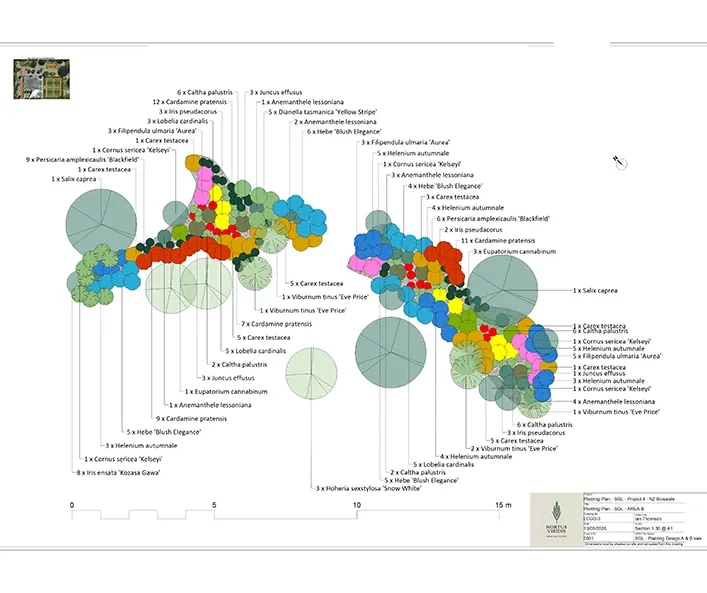
Every successful garden begins with a carefully considered design. This stage includes an initial consultation to understand your vision, lifestyle and budget, followed by a detailed site survey assessing levels, soil conditions, drainage, sunlight and existing features. We then develop concept layouts, planting ideas and material palettes before producing a comprehensive master plan that guides the entire project.
Smaller gardens with relatively simple layouts can often be designed within a few weeks, while larger or more bespoke schemes naturally require additional time to refine every detail.
The Construction Phase (Typically 5–12 Weeks)
Once the design is approved, the transformation begins. Construction may include patios, pathways, retaining walls, fencing, drainage, lighting, pergolas and bespoke garden features, alongside soil preparation and carefully planned planting. Simple garden makeovers can often be completed within a few weeks, whereas complete landscape transformations with significant structural work may take two to three months or longer.
The Importance of Timing
Garden projects are influenced by weather, material availability and seasonal planting conditions. Allowing sufficient time ensures every element is completed to a high standard and that plants establish successfully in their new environment.
A Garden Designed to Last
Creating a beautiful garden is an investment that deserves thoughtful planning. At Hortus Viridis, we take the time to understand your aspirations and design outdoor spaces that combine timeless style, practical functionality and exceptional planting. Whether you're planning a complete garden transformation in Beaconsfield, Amersham, Seer Green, The Chalfonts, Marlow or the wider Chilterns, we'll guide you through every stage of the journey, delivering a garden that will deliver you ongoing enjoyment.
What is Mulch and why is it Essential for a Beautiful, Healthy Garden?
When people admire a beautifully designed garden, they often focus on the planting, the paving, or the architectural features. Yet one of the most important elements is often the least noticed. Mulch is the finishing touch that transforms a garden from simply planted to professionally designed; bringing together aesthetics, plant health, and long-term sustainability.
At Hortus Viridis, we believe exceptional gardens are built on thoughtful details. Mulching is one of the simplest yet most effective investments you can make in the health, appearance, and longevity of your landscape.
What Is Mulch?
Mulch is any material applied to the surface of the soil around plants. It acts as a protective layer, helping to improve growing conditions while creating a clean, refined appearance throughout the garden.
Mulches generally fall into two categories:
- Organic mulches – including composted bark, decorative bark, wood chips, leaf mould and garden compost.
- Mineral mulches – for example, gravel, slate chippings and decorative stone.
Each has its place depending on the style of garden, planting scheme and maintenance requirements.
The Benefits of Mulching Your Garden
1. Conserves Soil Moisture
One of the greatest advantages of mulch is its ability to reduce water evaporation from the soil. During warmer months, a quality mulch layer helps retain moisture around plant roots, reducing the need for frequent watering and helping plants cope during periods of dry weather.
For homeowners looking to create more sustainable gardens, mulching is an essential water-saving practice.
2. Suppresses Weeds Naturally
A generous layer of mulch limits the amount of sunlight reaching weed seeds, dramatically reducing weed germination. This means less time spent weeding and more time enjoying your garden. A well-mulched border also presents a far cleaner and more polished appearance than exposed soil.
3. Improves Soil Health
Organic mulches gradually decompose, returning valuable nutrients and organic matter to the soil. Over time this improves:
- Soil structure
- Nutrient availability
- Drainage
- Moisture retention
- Beneficial microbial activity
Healthy soil creates healthier plants, stronger root systems and more resilient gardens.
4. Regulates Soil Temperature
Mulch acts as natural insulation throughout the year.
In summer, it keeps the soil cooler, protecting delicate root systems from excessive heat. During winter, it helps insulate roots against frost and sudden temperature fluctuations.
This creates a more stable growing environment that benefits trees, shrubs and perennial planting alike.
5. Protects Soil Structure
Heavy rain can compact exposed soil and wash valuable nutrients away. Mulch absorbs the impact of rainfall, reducing erosion and helping maintain healthy soil structure.
This is particularly beneficial in newly planted borders and sloping gardens.
Choosing the Right Mulch
Selecting the correct mulch is about more than functionality. It also influences the overall character of your garden:
Organic Mulch
Organic materials are ideal for traditional gardens, woodland planting and mixed borders.
Popular choices include:
- Composted bark
- Ornamental bark
- Fine wood chip
- Leaf mould
- Garden compost
These provide rich natural colour while continually improving the soil beneath.
Mineral Mulch
For contemporary landscapes and Mediterranean-inspired gardens, mineral mulches provide a crisp, architectural finish.
Common options include:
- Decorative gravel
- Slate chippings
- River stone
- Limestone aggregate
These materials are particularly well suited to drought-tolerant planting schemes and require very little maintenance.
When Should You Apply Mulch?
The ideal time to mulch is during spring, once the soil has warmed and moisture levels are high, or in autumn after clearing borders and adding organic matter.
For best results:
- Remove existing weeds.
- Water dry soil before applying mulch.
- Spread mulch evenly to a depth of 5–8cm.
- Keep mulch slightly away from the stems and trunks of plants to prevent rot.
Refreshing mulch every year or two helps maintain both its appearance and its effectiveness.
Professional Garden Mulching from Hortus Viridis
At Hortus Viridis, we see mulching as far more than a maintenance task. It is one of the defining elements of a well-managed landscape. Whether we're completing a newly designed garden or maintaining an established one, we carefully select premium mulch materials that complement each planting scheme while improving soil health and reducing ongoing maintenance.
The result is a garden that not only looks immaculate but continues to thrive season after season.
Looking to Enhance Your Garden?
If you're planning a new landscape or want to refresh your existing garden, professionally applied mulch can make an immediate difference to both its appearance and long-term performance. Hortus Viridis provides expert garden design, planting and maintenance services, helping homeowners create beautiful, sustainable outdoor spaces that flourish throughout the year. Please get in touch...

10 Fabulous Perennials and Trees that Cope Well in Dry Summers and Wet Winters
As designers working in the Chilterns, we’re increasingly asked to create gardens that feel luxurious - yet can also withstand the reality of hotter, drier summers and saturated winter soils. Fortunately, resilience and elegance aren’t mutually exclusive. In fact, some of the most sophisticated planting palettes are built around species that thrive in exactly these conditions. Great news!
Below is a self-curated selection of 210 climate‑resilient plants that Hortus Viridis often consider when designing planting plans for Chiltern gardens. They bring structure, movement, and season‑long interest whilst quietly coping with weather extremes across the year. They all cope surprisingly well with dry summers and also tolerate seasonally wet soils (provided they aren't permanently flooded!):
- Amsonia hubrichtii
- Molinia caerulea
- Geranium 'Rozanne'
- Verbena bonariensis
- Achillea millefolium
- Aronia melanocarpa
- Amelanchier lamarckii
- Cornus sanguinea 'Midwinter Fire'
- Parrotia persica
- Betula utilis var. jacquemontii
The secret isn't simply choosing "drought-tolerant" plants—it's selecting species that can also cope with winter waterlogging. Deep-rooting perennials, adaptable shrubs and well-chosen ornamental grasses are increasingly proving their worth in gardens across Beaconsfield and the wider Chilterns.
At Hortus Viridis, we favour resilient planting palettes that deliver year-round beauty whilst reducing the need for watering, improving biodiversity and creating gardens that remain attractive despite our quickly changing climate. The result is a landscape that's not only beautiful today, but ready for tomorrow's weather too!
Please get in touch if your garden is struggling with the increasingly hot summers, and let's see if we can help.
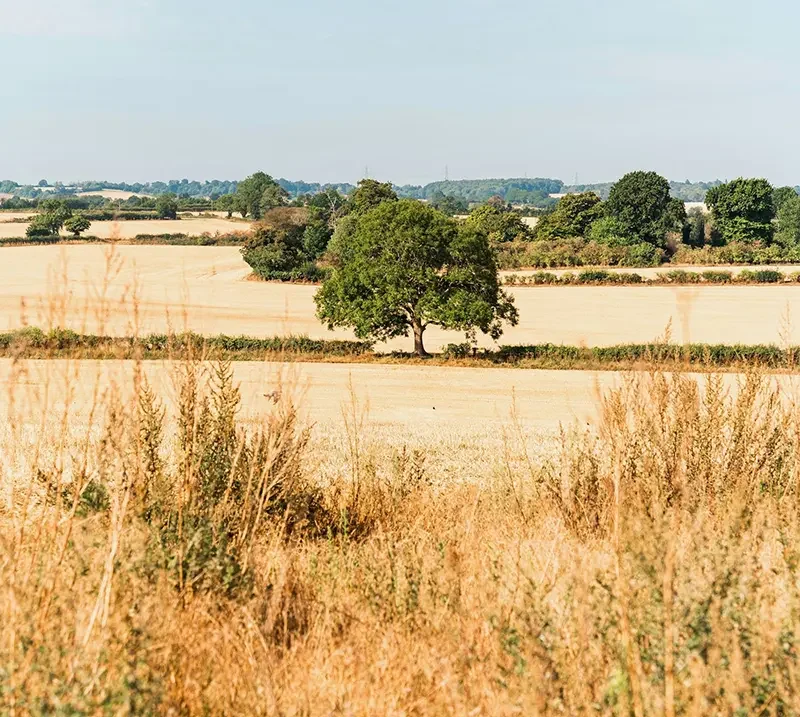
Why Planting Should Shape Garden Design – Not Be an Afterthought
Many people assume that planting is simply the final stage of a garden project – something to add once the patio is laid and the paths are finished. In reality, the opposite is true. The most successful gardens are designed from the plants outward, with the planting scheme helping to shape every aspect of the layout. At Hortus Viridis, we believe planting isn't the finishing touch; it's the foundation of a beautiful, balanced and long-lasting garden. That's the 'Hortus Viridis' difference!
Planting Gives a Garden Its Personality
Plants are what bring a garden to life. They provide colour, texture, movement, fragrance and seasonal interest, creating the atmosphere that makes a space feel welcoming and unique.
Whether you're dreaming of a relaxed cottage garden, a contemporary entertaining space or a timeless formal garden, the planting palette should help define that vision from the very beginning. When planting is considered early in the design process, every element works together naturally, creating a garden that feels cohesive rather than pieced together.
Plants Shape How You Experience the Space
Planting is far more than decoration. Trees, shrubs and perennials act as living architecture, defining views, creating privacy and guiding movement through the garden.
A carefully positioned specimen tree can become a focal point. Layered borders soften hard landscaping and add depth, while ornamental grasses introduce movement and gently blur the boundaries between different areas.
When planting is integrated into the overall garden design, terraces, paths and seating areas are positioned to make the most of these living features, resulting in a space that feels both functional and harmonious.
The Right Plant in the Right Place
Beautiful planting starts with understanding the site.
Every garden has its own conditions—soil type, drainage, aspect, shade, exposure and microclimate. Designing the planting scheme from the outset allows these factors to influence the layout, ensuring every plant has the best opportunity to thrive.
Choosing the right plant for the right place creates healthier gardens that require less maintenance, suffer fewer plant losses and continue to improve year after year. It's also the key to creating resilient gardens that can cope with increasingly dry summers and wetter winters across Buckinghamshire and the Chilterns.
Planting Softens Hard Landscaping
Stone, brick, timber and steel all look their best when balanced by planting.
Soft drifts of perennials spilling onto a path, ornamental grasses framing a terrace or flowering shrubs surrounding a seating area help connect the built elements with the natural landscape. The result is a garden that feels established, elegant and inviting rather than dominated by hard landscaping.
The planting is what transforms a beautifully constructed space into a beautiful garden.
Better Planting Means Better Value
Thoughtful planting isn't just about appearance—it also protects your investment.
Well-designed planting schemes mature gracefully, reduce future maintenance, encourage wildlife and deliver year-round interest. Rather than replacing plants that struggle or redesigning borders a few years later, you'll enjoy a garden that grows more beautiful with each passing season.
For homeowners, this often means greater enjoyment of the space and, in many cases, enhanced kerb appeal and property value.
Our Approach at Hortus Viridis
By considering plants alongside layout, materials and lifestyle requirements from the earliest stages, we create gardens that are not only beautiful on the day they're completed, but hopefully continue to flourish for years to come.
Whether you're looking for a complete garden design, a border transformation or a climate-resilient planting plan in Beaconsfield, Seer Green, Jordans, Farnham Common or the surrounding Chilterns, thoughtful planting is always at the heart of our design process.
So, in summary, my view is that planting should never be treated as an afterthought. It shapes the character, structure and long-term success of every garden. When planting leads the design process, the result is a space that feels natural, timeless and uniquely yours. Beautiful in every season and built to thrive.
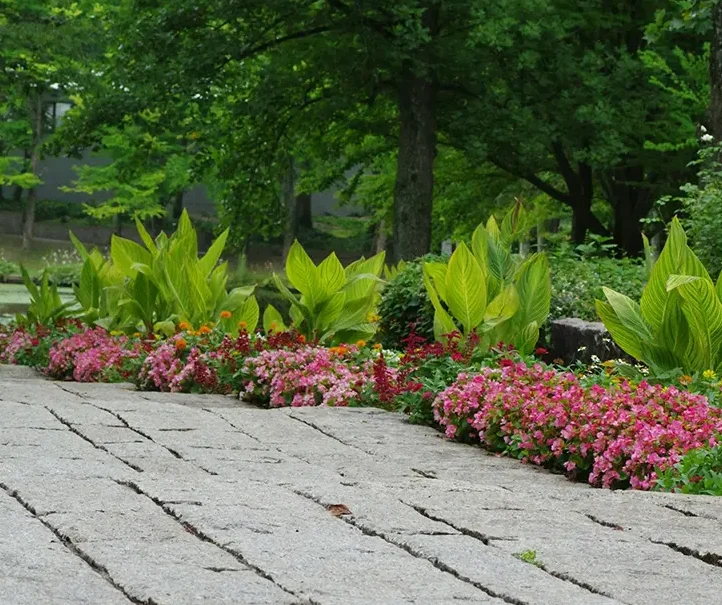
How a Professional Planting Designer Elevates Your Garden
A beautifully planted garden is far more than a collection of attractive flowers and shrubs. It is an extension of your home, a reflection of your personal style, and a place to enjoy peaceful mornings, elegant entertaining, and the changing beauty of every season.
At Hortus Viridis, we specialise in luxury planting design for discerning homeowners in Beaconsfield, Gerrards Cross, The Chalfonts, Amersham, Marlow and the surrounding south Buckinghamshire villages. Every planting scheme is thoughtfully designed to complement your property's architecture, enhance its value, and create a garden that matures beautifully for years to come.
Whether you have recently completed a landscaping project or wish to breathe new life into established borders, our bespoke planting design service creates outdoor spaces that are elegant, balanced and effortlessly beautiful.
Planting Design That Reflects Your Lifestyle
Every client has different aspirations for their garden. Some dream of colourful herbaceous borders overflowing with seasonal interest, while others prefer a calm palette of soft greens, whites and silvery foliage that creates an atmosphere of quiet luxury.
Our planting schemes are individually designed around:
- Your home's architectural style
- Existing trees and landscape features
- Soil conditions and aspect
- Colour preferences
- Desired level of maintenance
- Wildlife-friendly planting, where appropriate
- Year-round structure and seasonal interest
The result is a garden that feels naturally established, beautifully balanced and perfectly suited to your lifestyle.
Why Professional Planting Design Matters
Many gardens contain attractive individual plants, yet somehow never feel cohesive.
Professional planting design considers every detail—from height and texture to flowering succession, fragrance, movement and winter structure. Each plant is chosen not only for its individual beauty, but for how it enhances those around it.
The result is a garden that evolves gracefully through every season, with continuous interest from the first spring bulbs to autumn colour, ornamental grasses and elegant winter silhouettes.
Rather than constantly replacing failed plants or redesigning borders, you'll enjoy a garden that performs beautifully year after year.
Designed for south Buckinghamshire Gardens
The gardens of Beaconsfield and the surrounding Chilterns deserve planting that responds to both the local landscape and the area's distinctive character. Our extensive knowledge of Buckinghamshire soil types, climate and growing conditions allows us to select plants that flourish in local gardens while maintaining exceptional visual impact throughout the seasons.
From elegant country homes and period properties to contemporary residences, every planting scheme is designed to feel completely at home within its setting.
Luxury That Doesn't Demand Constant Maintenance
A beautiful garden should enrich your life, not become another responsibility. Our planting schemes therefore are carefully designed to provide maximum visual impact with sensible, manageable maintenance. Through thoughtful plant selection and intelligent layering, your garden will remain elegant and inviting throughout the year without requiring endless attention.
For many of our clients, this means more time enjoying the garden with family and friends.
Why Choose Hortus Viridis?
Choosing a planting designer is about far more than selecting attractive plants. It is about trusting someone to create an outdoor environment that reflects your home and enhances your everyday life.
At Hortus Viridis, we offer:
- Bespoke planting design tailored to your property and personal taste
- Expert knowledge of plants that thrive in Beaconsfield and the Chilterns
- Elegant combinations of colour, texture and form
- Year-round beauty through carefully planned seasonal succession
- Low-maintenance planting for effortless enjoyment
- Premium, discreet service with exceptional attention to detail
- Designs that mature gracefully and increase the appeal of your property
A Garden to Enjoy Every Day
Imagine stepping outside to borders filled with graceful movement, subtle fragrance and carefully composed planting that changes beautifully with each season. Picture elegant spring bulbs emerging beneath flowering shrubs, richly textured summer borders, glowing autumn foliage and sculptural winter planting that continues to provide beauty even on the shortest days. This is the difference thoughtful planting design can make.
Planting Design in Beaconsfield and Beyond
We provide bespoke planting design services throughout:
- Beaconsfield
- Gerrards Cross
- The Chalfonts
- Amersham
- Marlow
- Bourne End
- High Wycombe
- South Buckinghamshire
- The Chilterns
If you're looking for a qualified planting business in Beaconsfield who understand elegant gardens, timeless planting and exceptional attention to detail, we'd be delighted to discuss your project.
Begin Your Garden Transformation
Whether you want to redesign a single small border or create an entirely new garden, Hortus Viridis can help you achieve a landscape that enhances your home and brings lasting enjoyment. Contact us to arrange a personal consultation and discover how bespoke planting design can transform your outdoor space into a garden of enduring beauty.